

Whether concealing positions in the wild or preparing for a military exercise, camo netting has addressed concealment challenges for decades. From dense forests to arid deserts, these specialized nets—often appearing as simple mesh—serve as reliable allies for everyone from armed forces to outdoor enthusiasts. As requirements shift with new technologies and terrains, the colours, patterns, and features of camouflage netting have become more versatile than ever.
What is camo netting and how does it work?
Camouflage netting is a lightweight fabric or mesh designed to blend people and equipment into natural surroundings. Originating from military use, camo nets disrupt visible shapes and help objects vanish against complex backgrounds. Their effectiveness relies on mimicking local colours and patterns, while breaking up recognizable outlines.
Modern netting materials can also deflect detection by sensors such as infrared and radar. This makes them valuable not only for traditional army surplus use, but also for civilian applications like wildlife observation or hunting shelters. Their versatility comes from technological innovations and careful adaptation of sizes and dimensions for different environments.
The evolution of camouflage netting: from the battlefield to the outdoors
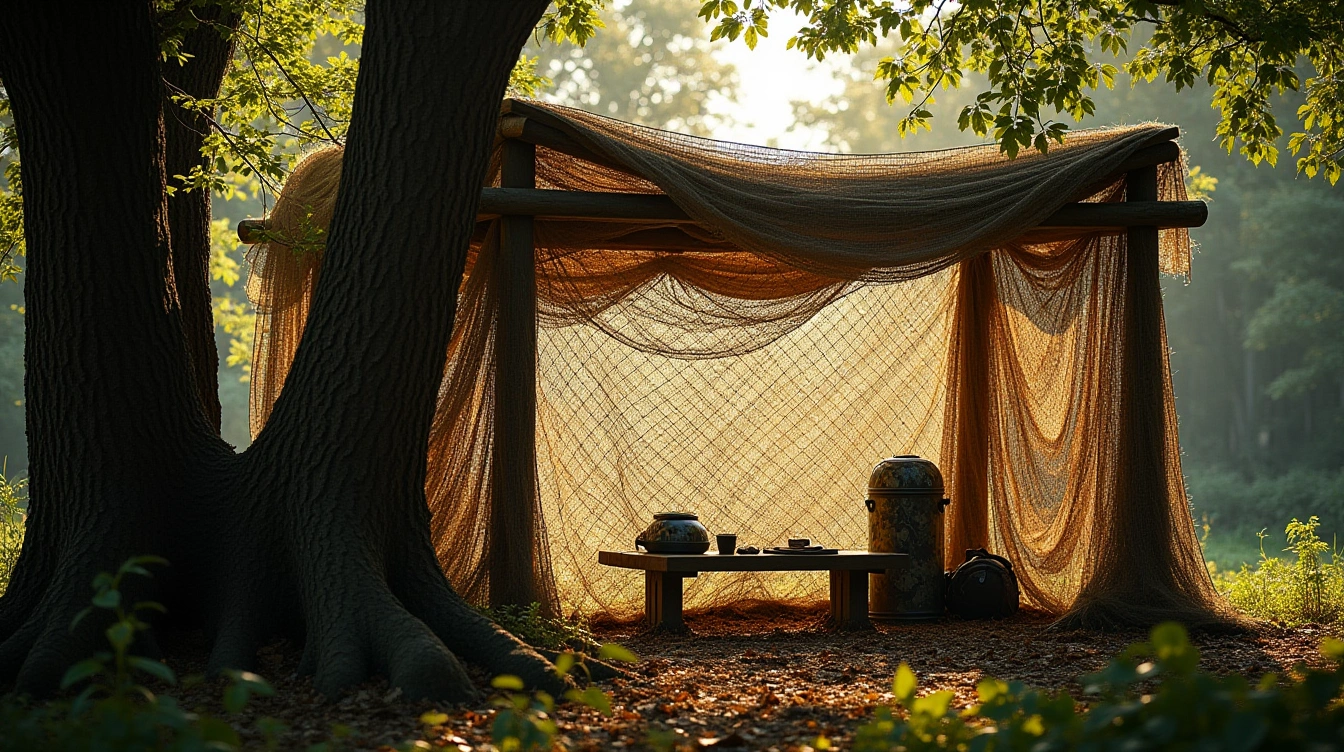
The origins of camo netting trace back to early 20th-century conflicts, when militaries needed portable means to hide large assets. Over time, improvements in netting materials and manufacturing enabled more affordable production and enhanced realism through varied colours and patterns. Today, its uses extend far beyond strategic operations into recreational and commercial settings.
The adaptability and reliability of waterproof/durable camouflage netting make it useful in many scenarios. Whether shielding vehicles from drones or improving stealth in hunting, each application builds on innovations that began with military necessity. For those interested in exploring a diverse array of camo netting options, you may visit https://sunny-garden-market.com/collections/camo-netting which offers various products suited to multiple needs.
Changes in design and materials
Traditional nets were often made from cotton or jute fibers, offering decent camouflage but prone to decay after exposure to moisture. Recent developments favor synthetics like polyester or nylon, which increase longevity and enhance resistance to mold and UV damage. Waterproof/durable finishes are now standard, especially for those needing minimal maintenance during extended outdoor use.
Today’s nets incorporate advanced dyes for realistic effects. High-quality camo nets may also feature suppressive layers to reduce heat signatures or reflective coatings to dampen electronic detection, adding further depth to their protective capabilities.
New contexts for classic techniques
Military use continues to drive innovation in camouflage netting, especially as threats evolve. Concealment against aerial surveillance or smart targeting devices requires ultra-realistic designs and larger netting formats. Meanwhile, civilians adapt similar technology for hunting blinds, wildlife photography, construction site privacy, and creative event décor.
Hunters often customize sizes and dimensions to build hides among trees or reeds, sometimes using army surplus camo nets for authenticity and cost savings. The same principles apply to birdwatching, where tents made from modern netting offer both concealment and weather protection.
Key factors in choosing camo nets for different applications
Selecting the right camo netting involves matching features with the specific environment and objective. Choices range from quick cover-ups for temporary tasks to permanent installations requiring high durability. By understanding priorities—such as colour blending, strength, and moisture resistance—you maximize both effectiveness and return on investment.
There’s no one-size-fits-all solution, but recognizing core differences allows you to choose wisely. Common evaluation points include the environment, intended duration of use, and functional enhancements for safety or comfort.
Colours and patterns: matching surroundings
The most effective camo nets combine realistic colours and patterns. Forest blends often feature various greens, browns, and shadow accents to merge seamlessly with foliage. Desert models use light tans, muted yellows, and subtle greys to disguise movement across open ground or rocky outcrops.
In regions where seasons change rapidly, reversible netting materials allow easy adjustment without new purchases. Dual-toned fabrics transition from muddy spring fields to bright summer undergrowth or leafless autumn woods, ensuring consistent performance throughout the year.
Sizes and dimensions: adapting to your coverage needs
Standard netting comes in rolls or sheets, with lengths ranging from a few feet to several dozen yards. Users should measure target areas carefully, leaving extra room for draping, overlap, or air flow. For vehicle concealment, it’s best to choose larger pieces and adjust as needed rather than struggle with undersized fragments.
Lightweight, small-scale versions support hiking, impromptu campsites, or backpacker emergencies. More permanent structures or group missions benefit from reinforced seams and tie-down loops for reliable tension and wind resistance.
Essential properties of quality camouflage netting
A dependable camo net offers more than surface appearance. Features like waterproof/durable finishes, ease of installation, and safe storage are critical for ongoing performance—especially during prolonged hide building or harsh weather conditions.
Evaluating these aspects saves time and trouble, ensuring your concealment remains intact across diverse terrains.
- 🦌 Resistance to rain and UV rays (waterproof/durable)
- 🏕️ Light weight and compact foldability for carrying over long distances
- 🎨 Versatile colours and patterns suited to local vegetation
- 🔧 Reinforced edges and grommets for rapid setup and anchoring
- 🔥 Choice between breathable mesh or solid overlays depending on airflow needs
- 🐾 Non-reflective surfaces to deter animal alertness or sensor detection
Applications: where do camo nets excel?
From intense military maneuvers to quiet afternoons in a duck blind, camouflage netting meets a wide array of practical needs. Its adaptable design makes it a top choice in challenging settings where concealment brings a real advantage.
Individuals and organizations invest in camo nets for both functionality and versatility, transforming landscapes into hidden havens or strategic assets. Whether aiming for maximum discretion or innovative decorative impact, netting finds uses well beyond initial expectations.
Military use and tactical deployment
In defense operations, army surplus nets protect vehicles, weapons, and communication posts. Teams select netting materials and sizes based on mission length and likely threats, striving for seamless integration with real scenery. Multi-spectral variants shield troops from advanced surveillance methods, including thermal imaging and radar tracking.
Permanent encampments require robust, waterproof/durable coverage, while covert squads rely on lighter, packable alternatives. Rapid deployment depends on user-friendly fastening systems, allowing quick relocation when necessary.
Outdoor recreation: hunting, wildlife watching, and camping
Hunters and nature photographers depend on camo nets to avoid disturbing prey or subjects. Hide building benefits from flexible options that mimic ground textures and break up human silhouettes. Adjustable colours and patterns aid adaptation, whether stationed at waterfowl flyways or woodland clearings.
Army surplus offers budget-friendly choices with proven effectiveness, while modern consumer-grade versions add refinements for convenience. Netting can double as sunshades, emergency tarps, or wind blocks during longer outings.
Creative and commercial uses
Beyond concealment, camo nets enhance film sets, stage décor, paintball arenas, adventure parks, and even urban gardens. Shades and screens provide atmosphere or privacy, while durable synthetics ensure reusability. Event organizers make use of a broad range of sizes and dimensions to cover tents, fencing, or temporary exhibits.
Repurposing old military use gear appeals to eco-conscious users who value resourcefulness alongside striking visual impact.
| 🏞️ Scenario | ✨ Key features | 🔝 Typical sizes |
|---|---|---|
| Military recon | Multi-spectral, waterproof/durable, large scale | 10x10 m or greater |
| Hunting blind | Natural patterns, compact, silent materials | 2x3 m to 5x6 m |
| Wildlife watching | Lightweight mesh, earth tones, easy transport | 1.5x4 m to 3x8 m |
| Event decor | Bright variations, flame resistant, custom cuts | Variable |
Frequently asked questions about camo netting and its practical uses
What are the best netting materials for ensuring waterproof/durable performance?
Synthetic polymers like nylon and polyester lead the market in strength and weather resistance. When coated with waterproof finishes, these netting materials withstand rot even after heavy rain. Cotton or jute can perform well in dry climates but deteriorate with repeated moisture. Opt for tightly woven synthetics if planning a long-term hide building project or expecting harsh conditions.
- 💧 Nylon: tough, tear-resistant, holds dye well
- 🌲 Polyester: lightweight, rugged, less absorbent
- 🍃 Polyethylene: affordable, UV-resistant, common in economy models
How do I choose the right colours and patterns for my environment?
Select colours and patterns that match local foliage, ground cover, or seasonal terrain. Greens and browns suit forests, while tans and grays fit deserts. In unpredictable regions, reversible or modular camo nets offer flexibility year-round. Pay attention to background lighting, as some patterns reflect differently at dawn or dusk, affecting overall concealment.
- 🌳 Woodland: olive, bark, mid-green patches
- 🏜️ Desert: tan, beige, faded yellow or stone motifs
- 🍂 Autumn: muted red, brown, gold overlays
- ⛰️ Mountain: bluish-gray, frost highlights, scattered brush strokes
Can camo netting be reused for multiple purposes?
Yes, many camo nets are engineered for repeated use thanks to reinforced stitching and synthetic construction. After serving for hunting, the same net can be repurposed for garden shade, shed cover, or vehicle concealment. Properly drying and folding nets after each use extends their lifespan, regardless of whether sourced from army surplus or retail stores.
- 👁️🗨️ Check for debris or moisture before storing
- 📦 Fold loosely to avoid hard creases
- 🚙 Use for covering kits, trailers, or sheds between outings
What mistakes should I avoid when installing camouflage netting?
Common errors include leaving unnatural straight lines, failing to match local colours, and stretching nets too tightly over sharp edges. Not anchoring corners causes flapping, while insufficient layering reduces camouflage effectiveness. For optimal results, drape netting irregularly and supplement with native leaves or branches for additional concealment.
| ❌ Mistake | ✅ Recommended fix |
|---|---|
| Straight lines or taut surfaces | Loosely drape, bunch, and stagger |
| Mismatched pattern to site | Invest in region-appropriate colours and patterns |
| Poor corner attachment | Use stakes, weights, or tether cords |